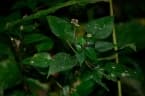
Laportea ovalifolia
Laportea ovalifolia
Safety & Hazards
The plant usually has short, stinging hairs[ 398 Title Edible Wild Plants of Tanzania Publication Author Ruffo, C.K.: Birnie, A. & Tengnas, B. Publisher Regional Land Management Unit; Nairobi. Year 2002 ISBN 9966-896-60-0 Description A very well presented, simple guide to growing and utilizing wild food plants in Tanzania, with line drawings of each plant, a description, habitat and range, non-food as well as food uses, plus basic information on growing the plants. ]. The leaves have stinging hairs, much like stinging nettles (Urtica species) to which they are related[ 407 Title BoDD (Botanical Dermatology Database) Publication Author Website http://bodd.cf.ac.uk/ Publisher Year 0 ISBN Description Brief notes on a very wide range of plants that have reports of causing harm to the skin. ].
Botanical Description
Laportea ovalifolia is a herbaceous perennial plant with shoots up to 1 metre long, mainly spreading across the ground by means of stolons and rooting at the nodes. Only the male flowering stems are erect, growing up to 50cm tall and becoming rather woody at the base. Female flowers are on short stalks about 5cm long and almost underground. All parts of the plant are armed with short stinging hairs[ 398 Title Edible Wild Plants of Tanzania Publication Author Ruffo, C.K.: Birnie, A. & Tengnas, B. Publisher Regional Land Management Unit; Nairobi. Year 2002 ISBN 9966-896-60-0 Description A very well presented, simple guide to growing and utilizing wild food plants in Tanzania, with line drawings of each plant, a description, habitat and range, non-food as well as food uses, plus basic information on growing the plants. ]. The plant is harvested from the wild for local use as a food and medicine[ 398 Title Edible Wild Plants of Tanzania Publication Author Ruffo, C.K.: Birnie, A. & Tengnas, B. Publisher Regional Land Management Unit; Nairobi. Year 2002 ISBN 9966-896-60-0 Description A very well presented, simple guide to growing and utilizing wild food plants in Tanzania, with line drawings of each plant, a description, habitat and range, non-food as well as food uses, plus basic information on growing the plants. ].