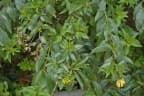
Cestrum parqui
Cestrum parqui
Safety & Hazards
All parts of the plant are poisonous[ 413 Title Global Invasive Species Database Publication Author Website http://www.issg.org/database/welcome/ Publisher Year 0 ISBN Description Very detailed information on almost 400 species (with more being added) of plants that have become weeds in areas outside their native range. ]. The toxic principles are solanine-type glyco-alkaloids and atropine-like alkaloids. The symptoms are headache, dizziness, hallucinations, nausea, vomiting, bloody diarrhoea, muscular spasms and nervousness, high temperature, salivation and sweating, paralysis and coma[ 293 Title Poisonous Plants of North Carolina Publication Author Website http://www.ces.ncsu.edu/depts/hort/consumer/poison/poison.htm Publisher Year 0 ISBN Description An excellent concise but comprehensive guide to toxic plants that grow in N. Carolina. It lists even those plants that are of very low toxicity, including several well-known food plants such as carrots and potatoes. ].
Botanical Description
Willow-leaved jessamine is a deciduous shrub growing up to 3 metres tall. The plant is sometimes harvested from the wild for its medicinal uses. It is grown as an ornamental in gardens.