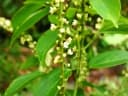
Gouania tiliifolia
Gouania tiliifolia
Safety & Hazards
The bark contains saponins and is used to stupefy fish in rivers[ 582 Title Medicinal Plants of the Philippines Publication Author Website http://www.bpi.da.gov.ph/Publications/mp/mplants.html Publisher Bureau of Plant Industry, Philippines. Year 0 ISBN Description An Internet site from the Philippines Department of Agriculture, giving information in a readable way on the medicinal uses of many plants in their area. ]. Although poisonous, saponins are poorly absorbed by the human body and so most pass through without harm. Saponins are quite bitter and can be found in many common foods such as some beans. They can be removed by carefully leaching in running water. Thorough cooking, and perhaps changing the cooking water once, will also normally remove most of them. However, it is not advisable to eat large quantities of food that contain saponins. Saponins are much more toxic to some creatures, such as fish, and hunting tribes have traditionally put large quantities of them in streams, lakes etc in order to stupefy or kill the fish[ K Title Plants for a Future Author Ken Fern Description Notes from observations, tasting etc at Plants For A Future and on field trips. ].
Botanical Description
Litiran is a climbing shrub. The roots are gathered from the wild and used locally as a substitute for soap. The leaves have local medicinal uses.