Ibicella lutea
Ibicella lutea
Safety & Hazards
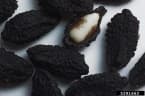
The seeds have sharp, curved horns, which can attach themselves to animals feet and therefore be transported to another site[ 200 Title The New RHS Dictionary of Gardening. 1992. Publication Author Huxley. A. Publisher MacMillan Press Year 1992 ISBN 0-333-47494-5 Description Excellent and very comprehensive, though it contains a number of silly mistakes. Readable yet also very detailed. ]. This can cause serious damage to the feet of some animals.
Botanical Description
Ibicella lutea is a spreading, annual plant growing 30 - 60cm tall and perhaps 1 metre wide. The plant has a strong smell and is covered with a sticky exudation. Insects often become stuck and die, leading people to believe that the plant is insectivorous - it does not produce digestive enzymes, however, and the jury seems to be still out on whether it is a true insectivorous plant. The plant is sometimes gathered from the wild for local medicinal use. It is also cultivated as an ornamental and has been grown for the young fruits in Brazil, as well as in France in the 19th century[ 317 Title Mansfeld's Database of Agricultural and Horticultural Plants Publication Author Website http://mansfeld.ipk-gatersleben.de/pls/htmldb_pgrc/f?p=185:3:4292127278597336 Publisher Year 0 ISBN Description Terse details of a huge range of useful plants. ].